Student loan forgiveness: what you need to know now

Anúncios
Student loan forgiveness options vary by program, requiring eligibility based on employment, loan type, and repayment history; understanding these factors is crucial for successfully reducing your student debt.
Student loan forgiveness can feel like a distant dream for many borrowers. But did you know there are multiple programs designed to help lighten your financial burden? In this article, we explore options that might just change your financial future.
Anúncios
Understanding student loan forgiveness options
Understanding student loan forgiveness options is crucial for borrowers looking for relief from their debt. Different programs cater to various situations, making it essential to know what’s available.
There are several main types of student loan forgiveness options.
Anúncios
Public Service Loan Forgiveness (PSLF)
If you work for a qualifying employer, you might be eligible for PSLF. This program forgives the remaining balance on your loans after you make 120 qualifying payments.
Teacher Loan Forgiveness
Teachers working in low-income schools can benefit too. By teaching for five consecutive years, you may qualify for forgiveness of up to $17,500 on your student loans.
- Eligibility requires full-time teaching.
- Applies to certain federal loans only.
- Not applicable if you received a grant for teaching.
For those in the healthcare field, there are options like the National Health Service Corps. By serving in an underserved area, you can receive loan repayment assistance for your student loans.
Other specialized professions also offer forgiveness opportunities. For instance, law enforcement officers, social workers, and non-profit employees may have tailored loan forgiveness options. These programs often require a commitment to a specific duration of service.
Income-Driven Repayment Plans
Income-driven repayment plans can help lower your monthly payments based on your income and family size. After 20 or 25 years of repayment, remaining loan balances may be forgiven.
Understanding the specifics of each option is vital. Gathering information about how the eligibility criteria align with your situation is a great first step. Keep detailed records and seek guidance from financial advisors or your loan servicer to navigate the complexities of student loan forgiveness.
Once you grasp these options, you can make informed decisions about your financial future. Many borrowers find this knowledge empowering, helping to relieve the stress associated with repayment.
Eligibility criteria for forgiveness programs
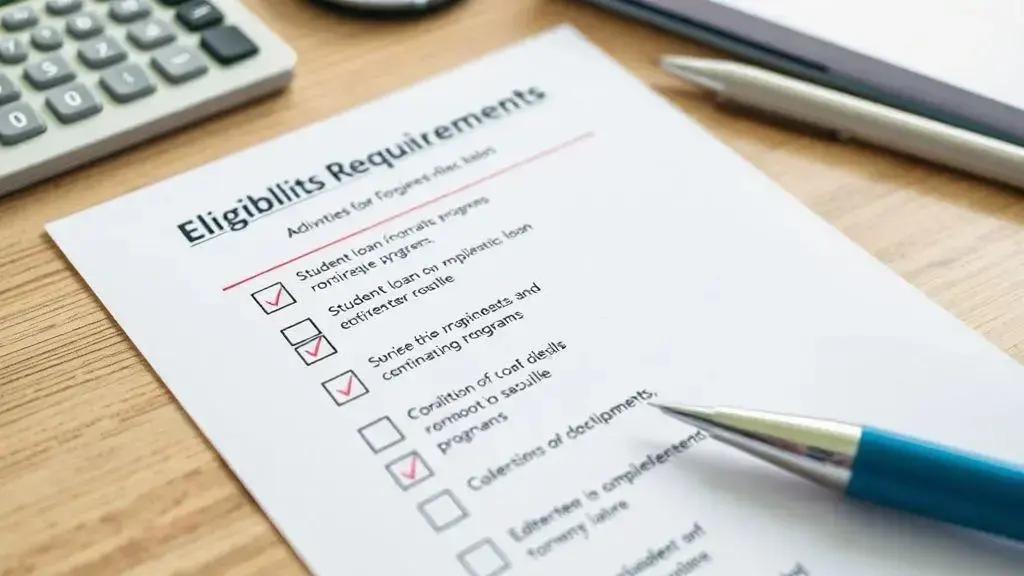
Knowing the eligibility criteria for forgiveness programs is vital for borrowers who wish to reduce their student loan debt. Each program has unique rules that can determine whether you qualify.
Generally, most forgiveness programs require borrowers to meet specific guidelines based on their employment, repayment plans, and the types of loans they have.
Employment Type
Many forgiveness programs, like the Public Service Loan Forgiveness (PSLF), are designed for those in public service careers. This could include:
- Government employees at the federal, state, or local level.
- Nonprofit organizations recognized by the IRS.
- Teachers in low-income schools.
- Healthcare workers in underserved areas.
Meeting the employment criteria is often one of the first steps in qualifying for forgiveness.
Loan Type
Not all loans are eligible for forgiveness. Generally, federal loans qualify more often than private loans. Key loan types include:
- Direct Loans.
- Stafford Loans.
- Plus Loans for parents.
It’s important to check the specific program you’re interested in to know which loans qualify.
In addition to employment and loan types, borrowers often need to follow certain repayment plans. For example, income-driven repayment plans are commonly required for forgiveness options. Under these plans, your payments are based on your income, making them more manageable.
Furthermore, keeping track of your repayment history is essential. Many programs require a specific number of on-time payments before any forgiveness can be granted. This means maintaining accurate records and regularly communicating with your loan servicer can significantly impact your eligibility.
Understanding these criteria empowers borrowers to plan effectively for their financial future. By ensuring you meet all the requirements, you can make smarter decisions regarding your student loans and work towards a more manageable debt situation.
Steps to apply for loan forgiveness
Applying for loan forgiveness may seem daunting, but breaking it down into clear steps can help simplify the process. Understanding these steps can make you feel more confident as you navigate your options.
The first step is to determine your eligibility. Review the specific program requirements to see if you qualify. Look at factors such as your employment status, the type of loans you have, and your repayment plans.
Gather Required Documentation
Before applying, gather all necessary documents. This may include:
- Your loan statements showing balances and types of loans.
- Proof of employment, such as pay stubs or letters from your employer.
- Tax returns or income documentation to confirm your financial status.
Keeping all your documents organized can save you time later in the application process. It’s also helpful to ensure that you have the correct forms ready for submission.
Fill Out the Application
Next, complete the application for the forgiveness program you’re interested in. Most programs have specific forms that you must fill out. Pay attention to instructions to avoid mistakes that could delay your application.
When filling out the application, be honest and thorough. Make sure to provide accurate personal information and double-check everything for errors.
Submit Your Application
Once your application is completed, submit it according to the program’s guidelines. This may involve mailing in a paper application or submitting it electronically. Keep a copy of your application for your records.
After submission, it’s wise to follow up with your servicer. Inquire about the status of your application to confirm they received it and to check on any next steps.
Finally, be patient. The review process can take time, sometimes several months. During this period, stay informed and maintain communication with your loan servicer for updates regarding your loan forgiveness status.
Common misconceptions about loan forgiveness

Many borrowers have questions about loan forgiveness, which can lead to misunderstandings. It’s important to clear up these common misconceptions to help people make informed decisions about their student loans.
One major myth is that all student loans can be forgiven easily. In reality, only specific federal loans qualify for forgiveness, and borrowers must meet certain criteria. It’s not as straightforward as some may believe.
Myth: You Don’t Have to Pay Anything
Another misconception is that once you apply for forgiveness, you won’t pay anything while waiting. This is not true. Many forgiveness programs require borrowers to continue making payments until their application is approved.
Myth: You Will Get Automatic Forgiveness
Some people think that forgiveness happens automatically after a certain number of years in repayment. However, you need to actively apply and meet all requirements. Failing to follow through means you might miss out on forgiveness.
- Always track your payments and qualifications.
- Keep communication open with your loan servicer.
- Be aware of any deadlines.
Many borrowers also believe that loan forgiveness will significantly affect their credit scores. While getting forgiveness may impact your credit slightly, it shouldn’t drastically change your score if managed well.
Myth: You Have to Be in Debt Forever
Some think they must remain in debt for years to qualify. In fact, various programs work with borrowers at different financial stages. Knowing your options can help you take the right steps toward resolving your debt faster.
These misconceptions can lead to confusion and frustration for borrowers. It’s vital to do thorough research and seek guidance if you have questions about your eligibility. Understanding the facts can empower you to take charge of your financial future more effectively.
In summary, understanding loan forgiveness is essential for managing student debt effectively. By clarifying myths and knowing the necessary steps, borrowers can make informed choices. It’s important to stay proactive, gather required documents, and maintain communication with loan servicers. The path to forgiveness may not be simple, but with the right information, you can navigate it successfully. Keep educating yourself, and remember that every step you take brings you closer to financial freedom.
FAQ – Common Questions About Loan Forgiveness
What types of loans are eligible for forgiveness?
Generally, federal loans like Direct Loans and Stafford Loans qualify for forgiveness, while private loans typically do not.
How long does the forgiveness application process take?
The process can take several months, so it’s important to stay patient and follow up with your loan servicer.
Do I need to continue making payments while waiting for forgiveness?
Yes, in most cases, you are required to keep making payments until your application for forgiveness is approved.
Are there any common misconceptions I should be aware of?
Yes, many believe that forgiveness happens automatically after a certain time, but you must actively apply and meet specific requirements.