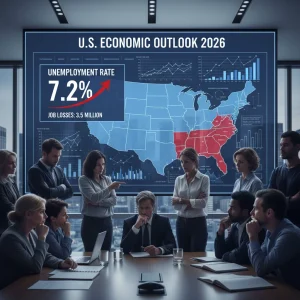
Unemployment Insurance 2025: State Benefits & New Rules
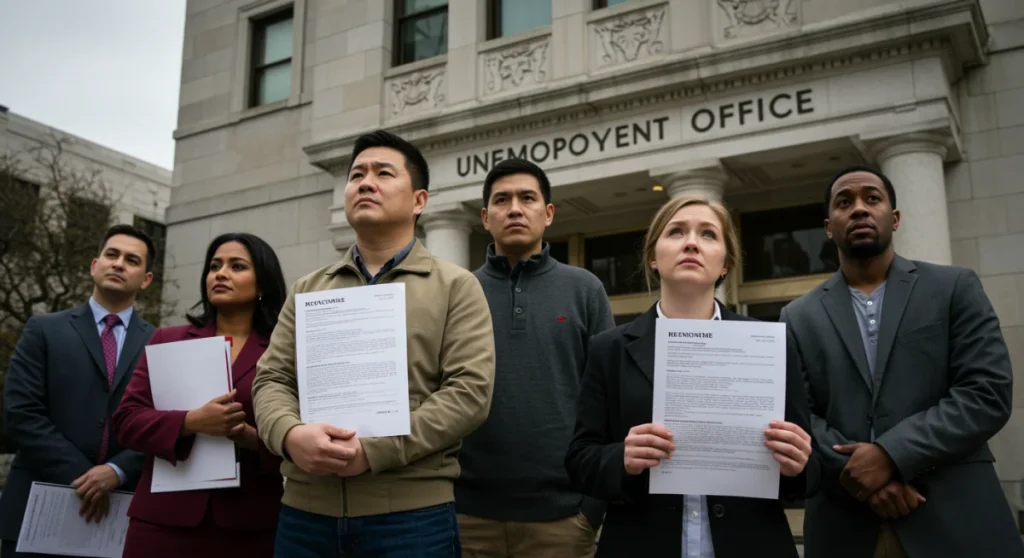
Anúncios
Unemployment Insurance in 2025 is undergoing significant state-by-state transformations, with extended benefits and new requirements shaping claimant eligibility and support across the United States.
Anúncios
As we step into 2025, understanding the evolving landscape of Unemployment Insurance in 2025 is more crucial than ever for American workers. The economic shifts and legislative adjustments at both federal and state levels are creating a complex tapestry of extended benefits and new requirements that directly impact those who find themselves without employment. This guide aims to shed light on these critical changes, offering a state-by-state perspective to help you navigate the system effectively.
Anúncios
Understanding the Basics of Unemployment Insurance in 2025
Unemployment Insurance (UI) serves as a vital safety net, providing temporary financial assistance to eligible workers who lose their jobs through no fault of their own. While the core principle remains consistent, the specifics of UI programs are largely determined by individual states, leading to significant variations in eligibility, benefit amounts, and duration.
In 2025, these state-level differences are becoming even more pronounced as states adapt to post-pandemic economic realities and implement new legislative measures. Understanding these foundational elements is the first step toward successfully claiming benefits when needed.
How State Programs Differ
- Eligibility Criteria: Each state sets its own rules regarding prior earnings, length of employment, and reasons for job separation.
- Benefit Amounts: Weekly benefit amounts vary widely, typically calculated as a percentage of a claimant’s past earnings, up to a state-defined maximum.
- Duration of Benefits: Standard benefit duration is usually 26 weeks, but some states offer fewer, and extended benefits can prolong this period under specific conditions.
The patchwork nature of UI means that what applies in one state may not in another, making localized information indispensable. This variability underscores the importance of staying informed about your specific state’s regulations, especially with the anticipated changes in 2025.
Anticipated Federal and State Policy Shifts for 2025
The year 2025 is expected to bring several key policy shifts to the Unemployment Insurance landscape. While federal intervention typically occurs during major economic crises, states are continually evaluating and adjusting their UI laws to maintain fiscal solvency and respond to local labor market conditions. These adjustments can significantly alter who qualifies for benefits and for how long.
Many states are focusing on strengthening their UI trust funds, which were depleted during recent economic downturns. This often involves changes to employer contribution rates and, in some cases, stricter eligibility requirements for claimants. Other states might be exploring innovative approaches to workforce development, linking UI benefits more closely with retraining and job search assistance programs.
Potential Federal Reforms
- Modernization Efforts: Discussions at the federal level often revolve around modernizing UI systems to improve efficiency and reduce fraud.
- Benefit Adequacy: There’s ongoing debate about establishing federal minimum standards for benefit amounts and duration to ensure a more robust safety net nationwide.
These potential federal reforms, if enacted, could introduce a level of uniformity across state programs, but state-specific nuances are likely to persist. Remaining vigilant about legislative updates is crucial for both employers and potential claimants.
Extended Benefits: What to Expect in 2025
Extended Benefits (EB) are a crucial component of the Unemployment Insurance system, designed to provide additional weeks of benefits during periods of high unemployment. These benefits are typically triggered when a state’s insured unemployment rate reaches a certain threshold. In 2025, the availability and duration of EB will largely depend on economic conditions and state-specific triggers.
Unlike regular UI, which is funded solely by state employer taxes, EB is generally split between federal and state funding. As economic recovery continues, it’s possible that fewer states will meet the triggers for extended benefits compared to recent years. However, individual states may still implement their own temporary additional benefit programs if their local economies face particular challenges.
State-Specific Triggers for Extended Benefits
- Insured Unemployment Rate (IUR): States often use a weighted average of their total unemployment claims over a specific period.
- Total Unemployment Rate (TUR): Some states might also consider their overall unemployment rate in conjunction with the IUR.
- Legislative Action: In some cases, state legislatures may pass specific laws to extend benefits during times of economic distress, independent of federal triggers.
Claimants should closely monitor their state’s labor market data and official announcements from their state’s unemployment agency to determine if extended benefits are available. The rules for EB can be complex, so seeking direct information from official sources is always recommended.
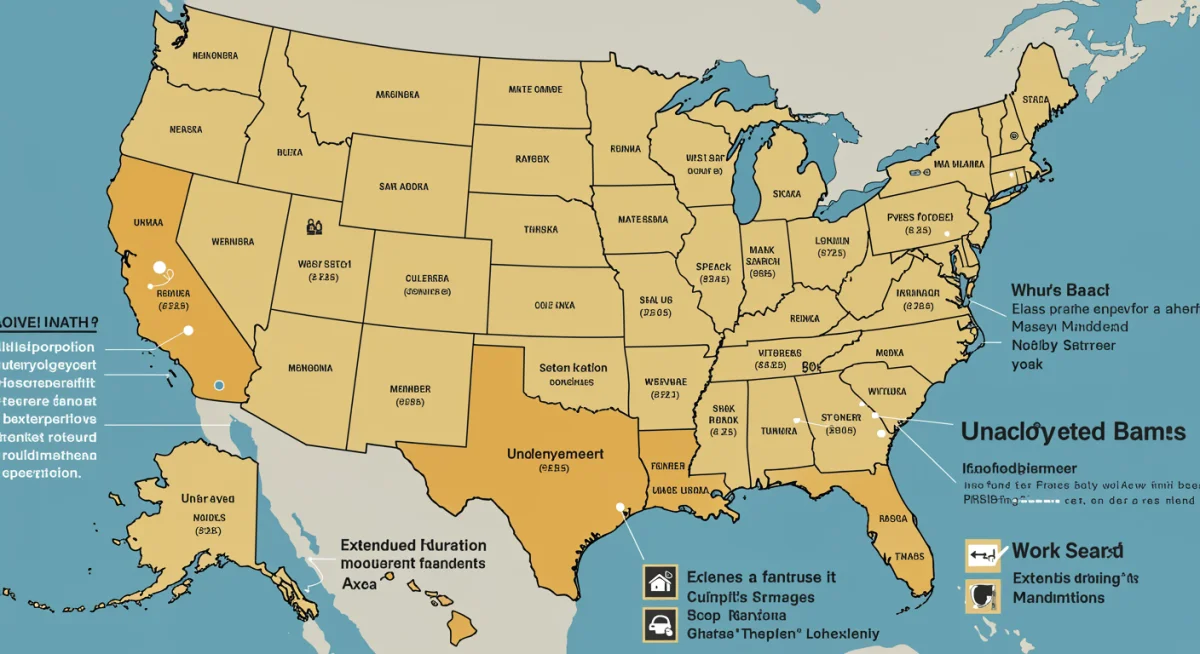
New Requirements for Claimants in Various States
As states recalibrate their Unemployment Insurance programs, many are introducing new requirements for claimants in 2025. These changes often focus on encouraging reemployment, combating fraud, and ensuring the integrity of the UI system. Common new requirements include stricter work search mandates, mandatory participation in reemployment services, and enhanced identity verification processes.
For example, some states are expected to increase the number of job contacts claimants must report each week, while others might mandate attendance at workshops on resume writing or interview skills. The underlying goal is to facilitate a quicker return to the workforce and ensure that benefits are only going to those genuinely seeking employment.
Key Changes to Claimant Requirements
- Stricter Work Search Rules: Expect more rigorous documentation of job search activities, including types of contacts and application submissions.
- Mandatory Reemployment Services: Some states may require claimants to attend specific job training programs or career counseling sessions.
- Identity Verification: Increased use of advanced identity verification technologies to prevent fraudulent claims.
- Reporting Requirements: More frequent or detailed reporting of earnings and other income sources may become standard.
Claimants must familiarize themselves with these new requirements to avoid disruptions in their benefits. Failure to comply with state-mandated activities can lead to denial or termination of UI payments.
State-by-State Breakdown: Notable Changes in 2025
While a comprehensive list for all 50 states is extensive, we can highlight some general trends and provide examples of how different states might be approaching Unemployment Insurance in 2025. It’s important to remember that these are anticipated trends, and specific legislative actions can change throughout the year.
Some states known for conservative fiscal policies may continue to shorten benefit durations or tighten eligibility, aiming to reduce the burden on state UI trust funds. Conversely, states with more robust social safety nets might explore ways to expand access to benefits or offer more comprehensive reemployment support. The economic health of each state will play a significant role in these decisions.
Examples of State Approaches
- California: Might focus on modernizing its outdated UI technology and improving customer service, potentially also adjusting benefit levels.
- Texas: Could continue its trend of maintaining shorter benefit durations and stricter eligibility, emphasizing rapid reemployment.
- New York: May look to enhance benefits for low-wage workers or expand access to training programs, reflecting a more worker-centric approach.
- Florida: Likely to maintain its relatively lower benefit amounts and shorter duration, with a strong focus on work search enforcement.
For precise information, individuals must consult their specific state’s Department of Labor or equivalent agency website. These official sources will provide the most up-to-date and accurate details regarding UI changes in 2025 relevant to their location.
Navigating the Application Process and Appeals in 2025
Successfully applying for Unemployment Insurance in 2025 will require careful attention to detail and adherence to updated state guidelines. The application process, while generally similar across states, can have critical differences in required documentation, submission methods, and timelines. It’s essential to gather all necessary information before starting your application to avoid delays.
Should your claim be denied, understanding the appeals process is equally important. States have established procedures for claimants to challenge adverse decisions, but these typically involve strict deadlines and specific documentation requirements. Preparing for the possibility of an appeal by keeping thorough records is a wise strategy.
Tips for a Smooth Application
- Gather Documentation: Have your Social Security number, driver’s license, employment history, and separation details ready.
- Understand Eligibility: Review your state’s specific eligibility criteria before applying to ensure you meet the requirements.
- File Promptly: Apply for benefits as soon as you become unemployed to avoid losing potential benefit weeks.
If your claim is denied, carefully read the denial letter to understand the reason. Most states provide clear instructions on how to file an appeal, including deadlines and required forms. Seeking legal aid or assistance from community organizations can also be beneficial during the appeals process.
Impact of Economic Trends on Unemployment Insurance in 2025
The broader economic landscape will undeniably shape the functionality and availability of Unemployment Insurance in 2025. Factors such as inflation, interest rates, labor market tightness, and technological advancements all play a role in how states manage their UI programs and how many individuals rely on them. A robust economy typically means lower unemployment rates and fewer UI claims, allowing state trust funds to replenish.
Conversely, an economic downturn or recession could quickly deplete these funds, potentially leading to calls for federal intervention or state-level emergency measures to extend benefits. The ongoing evolution of work, including the rise of the gig economy and automation, also presents challenges for UI systems designed for traditional employment models. States are increasingly grappling with how to adapt UI to cover these new forms of work.
Key Economic Factors
- Inflation: High inflation can erode the purchasing power of UI benefits, prompting discussions about benefit adequacy.
- Labor Shortages: Persistent labor shortages in certain sectors might lead to policies that push claimants into available jobs more quickly.
- Technological Disruption: Automation and AI could lead to job displacement, increasing the demand for UI and retraining programs.
Monitoring economic indicators and understanding their potential impact on UI policies is crucial for claimants, policymakers, and employers alike. The flexibility and responsiveness of UI systems will be tested by these dynamic economic trends throughout 2025.
| Key Aspect | Description for 2025 |
|---|---|
| State Variation | Significant differences in eligibility, benefit amounts, and duration will persist across states. |
| Extended Benefits (EB) | Availability will depend on state-specific unemployment rate triggers and economic conditions. |
| New Requirements | Stricter work search mandates, reemployment service participation, and enhanced identity verification are expected. |
| Economic Impact | Inflation, labor market trends, and technological shifts will influence UI policy and demand. |
Frequently Asked Questions About Unemployment Insurance in 2025
Federal extended benefits (EB) are typically triggered by high state unemployment rates. As of now, widespread federal extensions are not anticipated unless a significant economic downturn occurs, but state-specific triggers may still activate EB in certain regions.
The most reliable way is to visit the official website of your state’s Department of Labor or equivalent unemployment agency. These sites provide up-to-date information on eligibility, application processes, and any new requirements specific to your state.
Many states are implementing stricter work search requirements, including more frequent reporting of job contacts and mandatory participation in reemployment services. Claimants should review their state’s rules carefully to ensure compliance and avoid benefit interruptions.
If your claim is denied, you have the right to appeal the decision. Each state has an appeals process with specific deadlines and procedures. It’s crucial to understand the reason for denial and submit your appeal promptly with supporting documentation.
While some states periodically review and adjust their maximum weekly benefit amounts, automatic inflation adjustments are not standard across all UI programs. Any changes would typically be the result of legislative action at the state level.
Conclusion
The landscape of Unemployment Insurance in 2025 is dynamic, marked by evolving state-specific policies, potential federal discussions, and the overarching influence of economic trends. For workers across the United States, staying informed about these changes is not just advisable, but essential. From understanding new eligibility criteria and stricter work search mandates to navigating the nuances of extended benefits, proactive engagement with official state resources will be key to successfully accessing the safety net provided by UI. The system is designed to offer temporary relief, and being prepared for its shifting requirements ensures that support is available when it’s most needed.