Essential Guidance for International Students in the U.S. (2025): Rights, Risks, and Strategies for Protection I

Anúncios
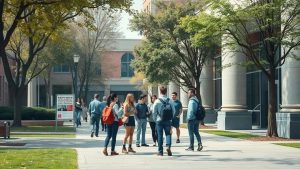
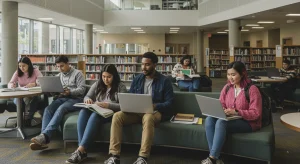
International students play a vital role in shaping the academic and cultural landscape of the United States.
Their presence contributes not only to intellectual exchange, but also enhances the global diversity of American institutions.
Anúncios
Yet in recent years, those studying in the U.S. under student visas have encountered mounting challenges, particularly amid shifting immigration policies and intensified enforcement measures.
The regulatory environment has become increasingly complex and, in some cases, hostile.
Under the current political climate—especially influenced by the Trump administration’s stringent immigration policies—foreign students must remain highly informed, legally cautious, and prepared to assert their rights.
Anúncios
This article outlines the key legal and personal risks international students may face in 2025, details about visa-related concerns, recent legal precedents, and practical advice for remaining compliant and protected while pursuing studies in the United States.
Visa Uncertainty: Understanding the Current Landscape for Student Immigration
As of 2025, over one million international students are enrolled in U.S. colleges and universities.
While this number reflects America’s global appeal in higher education, it also comes at a time when the federal government has adopted a far more rigid stance toward immigration compliance.
In particular, the Department of Homeland Security (DHS) and U.S. Immigration and Customs Enforcement (ICE) have prioritized enforcement efforts aimed at identifying, suspending, or even revoking student visas over administrative or political concerns.
These developments have left many students uncertain about their legal standing, even when they believe they are following the rules.
Notable Policy Shifts Affecting Students
One prominent example occurred in May 2025, when Harvard University was temporarily stripped of its authority to host international students.
Federal authorities cited “un-American activities” and protest-related concerns as justification for this action, affecting nearly 7,000 enrolled students.
This event illustrated how political interpretations of campus activities could be used to justify institutional sanctions—and, by extension, affect the legal status of thousands of individuals who may not have personally violated any rules.
Such instances underscore the importance of tracking federal policies, knowing your visa conditions, and staying alert to campus developments that could impact immigration compliance.
Staying Legally Compliant: Key Practices for Protecting Your Status
International students are monitored through the SEVIS system (Student and Exchange Visitor Information System), a federal database that tracks enrollment, residency, and visa details in real time.
Failure to keep information current or accurate in SEVIS—even due to administrative oversight—can trigger immigration flags that lead to deportation or denial of future visas.

Best Practices for Maintaining Status
-
🔍 Review SEVIS Regularly: Log in frequently to check that your academic program, address, and contact details are correct.
-
🕒 Renew Your Visa Ahead of Time: Begin the renewal process well in advance of your expiration date to avoid falling out of status.
-
🧑🏫 Coordinate with Your DSO (Designated School Official): Inform them immediately of any changes in academic standing, travel plans, or intent to transfer institutions.
By staying proactive, students can avoid bureaucratic mishaps that might otherwise jeopardize their immigration standing.
Legal Rights That Protect International Students
Despite recent crackdowns, international students maintain certain constitutional protections under U.S. law.
Awareness of these rights is essential for avoiding unlawful detention, intimidation, or wrongful deportation.
Key Legal Protections Include:
-
🛡 Right to Due Process: Students must be formally notified of any proceedings and granted a fair opportunity to defend themselves.
-
🤐 Right to Remain Silent: If questioned by immigration officers, you’re under no obligation to answer without legal representation.
-
👩⚖️ Right to Legal Counsel: You have the right to contact and consult an attorney before signing any document or making legal declarations.
Students are strongly advised to keep an immigration lawyer’s contact information available at all times and to consult legal professionals before responding to government inquiries.
When Free Speech Leads to Legal Trouble: The Case of Rumeysa Ozturk
A troubling precedent was set in March 2025, when Rumeysa Ozturk, a Turkish PhD student at Tufts University, was detained by ICE following the publication of an opinion article criticizing U.S. foreign policy in Gaza.
Although Ozturk had no history of violence or illegal activity, federal officials accused her of “supporting terrorism” due to the nature of her published views. She spent 45 days in ICE custody, prompting national outcry.
Ultimately, a federal judge ruled that her arrest lacked legal foundation, affirming that peaceful political expression is not grounds for detention or deportation.
This case serves as a critical reminder: while international students have speech rights under the First Amendment, public statements—especially those perceived as political—can attract scrutiny.
Social Media and Surveillance: What You Post Can Be Used Against You
Federal monitoring of social media has expanded in recent years, especially for non-citizens. Posts perceived as anti-American or extremist may trigger visa reviews or enforcement actions.
Recommendations for Social Media Use:
-
⚠️ Avoid political or controversial posts, especially those referencing protests or global conflicts.
-
👁 Assume your content is being monitored by federal authorities.
-
📩 Consult your attorney before sharing opinions that may be misinterpreted or flagged.
Even private messages have, in some cases, been presented in immigration hearings as supporting evidence for visa revocation.
Everyday Risks: Minor Offenses Can Have Major Consequences
Surprisingly, simple infractions such as traffic violations have become legal pitfalls for international students.
Recent Cases:
-
🚗 Felipe Zapata Velásquez, a Colombian student, was deported after being pulled over for driving with a suspended license.
-
🚦 Priya Saxena, an Indian national, lost her visa following a citation for reckless driving—even though no criminal charges were filed.
These cases reveal how minor run-ins with law enforcement can result in severe immigration penalties when reported to ICE or DHS.
Always carry proper documentation and follow local laws precisely when driving, working part-time, or interacting with authorities.
What to Do If Approached or Detained by ICE
In the event of detainment or questioning by immigration officers, students must remain calm, polite, and informed of their rights.
Immediate Actions to Take:
-
🪪 Ask for Identification: Confirm the identity and authority of any officer approaching you.
-
🧘 Do Not Resist: Physical resistance may escalate the situation and result in legal charges.
-
📞 Contact Your Lawyer Immediately: Do not sign anything or make statements until your attorney is present.
-
🗂 Do Not Volunteer Documents or Devices: Without a warrant, ICE does not have the right to search your phone or personal property.
Preparedness can make a critical difference in how such interactions unfold.
Preparing for the Future: Remaining Informed and Empowered
As immigration enforcement continues to evolve, students must remain informed not only about legal changes but also about how their day-to-day behavior may be perceived.
Proactive Steps for Students:
-
📚 Attend campus workshops on immigration rights
-
🔐 Secure your online presence and avoid sensitive posts
-
🧾 Keep all visa-related documents updated and accessible
-
🧑💼 Establish a relationship with an immigration attorney in your city
-
🗓 Schedule regular check-ins with your DSO
Proactive awareness, community support, and legal preparation are essential tools for thriving in an increasingly uncertain immigration environment.
Conclusion: Safeguarding Your Academic Journey in the U.S.
Navigating the U.S. as an international student in 2025 requires more than just academic excellence—it requires vigilance, legal literacy, and strong support networks.
Despite political volatility and aggressive enforcement practices, students still have rights and access to resources that can protect them from unfair treatment.
By staying informed, cautious, and legally prepared, international students can not only safeguard their status—but continue to pursue their goals and enrich the institutions they attend.