Energy Assistance Programs 2026: Save Up to $1,000 Annually with LIHEAP and Other Federal Aid
As we look ahead to 2026, the rising cost of living continues to be a significant concern for many households across the United States. Among the most pressing expenses are utility bills, which can fluctuate dramatically with seasonal changes and global energy market shifts. For low-income families and individuals, keeping up with these costs can be a constant struggle, often forcing difficult choices between heating or cooling their homes and other essential needs like food and medicine. Recognizing this critical challenge, federal and state governments, along with various non-profit organizations, offer a lifeline through a range of energy assistance programs. These initiatives are specifically designed to alleviate the financial burden of energy costs, ensuring that everyone has access to safe, affordable, and comfortable living conditions. This comprehensive guide will delve into the various avenues available for Energy Assistance 2026, with a particular focus on the Low Income Home Energy Assistance Program (LIHEAP), and explore how eligible individuals can potentially save up to $1,000 or more annually on their energy bills.
Anúncios
Understanding the landscape of energy assistance can be complex, with different programs having unique eligibility criteria, application processes, and benefits. Our goal is to demystify these options, providing clear, actionable information to help you navigate the system effectively. We will cover not only federal programs like LIHEAP but also touch upon state-specific initiatives, utility company programs, and energy efficiency resources that can further amplify your savings. By taking advantage of these opportunities, households can achieve greater financial stability, reduce their carbon footprint, and improve their overall quality of life. The information presented here is crucial for anyone seeking to manage their energy expenses more effectively in the coming year, underscoring the importance of proactive engagement with available support systems. Let’s explore how you can secure your share of Energy Assistance 2026 and make a significant difference in your household budget.
The Cornerstone of Support: Low Income Home Energy Assistance Program (LIHEAP)
The Low Income Home Energy Assistance Program (LIHEAP) stands as the federal government’s primary response to the energy needs of low-income households. Established to help families pay for heating and cooling costs, LIHEAP also provides assistance for weatherization and energy-related home repairs. This program is a vital resource for millions, offering a critical safety net against the harsh realities of extreme temperatures and unaffordable utility bills. For Energy Assistance 2026, LIHEAP is expected to continue its crucial role, providing billions of dollars in aid to those who need it most. The program operates as a block grant, meaning federal funds are allocated to states, territories, and tribal organizations, which then administer the program according to their specific local needs and priorities. This decentralized approach allows for tailored solutions that best serve diverse communities across the nation.
Anúncios
What Does LIHEAP Cover?
LIHEAP offers several types of assistance, designed to address various aspects of a household’s energy burden:
- Heating Assistance: Helps cover the cost of heating your home during cold weather, whether you use natural gas, electricity, propane, oil, wood, or other heating sources. This is particularly crucial in regions with severe winters, where heating costs can skyrocket.
- Cooling Assistance: Provides aid for air conditioning costs during hot summer months, preventing heat-related illnesses and ensuring comfortable living conditions. As climate change leads to more frequent and intense heatwaves, this component of LIHEAP becomes increasingly important.
- Crisis Assistance: Offers immediate help to households facing energy emergencies, such as a utility shut-off notice, a broken furnace, or a lack of fuel. This rapid response can prevent homelessness and protect vulnerable populations.
- Weatherization and Energy-Related Home Repairs: Funds are also allocated to make homes more energy-efficient, reducing overall energy consumption and lowering future utility bills. This can include insulation upgrades, window replacements, and minor repairs to heating and cooling systems. This long-term solution provides sustainable savings beyond direct bill payments.
The specific benefits and the amount of assistance a household receives depend on several factors, including income, household size, energy costs, and the specific guidelines set by the administering state or local agency. It’s essential for applicants to understand that LIHEAP is not an entitlement program; funding is limited, and not all eligible applicants may receive assistance. Therefore, applying early and providing all necessary documentation is crucial for maximizing your chances of receiving Energy Assistance 2026.
Eligibility Requirements for LIHEAP in 2026
To qualify for LIHEAP, households must meet certain income guidelines, which are typically based on the federal poverty level or a percentage of the state median income. These guidelines are subject to change annually, so it’s vital to check the most current information for Energy Assistance 2026. Generally, eligibility is determined by:
- Income Level: Most states set the income limit at 150% of the federal poverty level, or 60% of the state median income, whichever is greater. However, some states may have lower or higher thresholds. For a family of four, for example, 150% of the federal poverty level in 2023 was approximately $45,000. It is crucial to verify the exact figures for 2026 as they become available.
- Household Size: The income limits increase with the number of people in the household.
- Energy Burden: Some states also consider a household’s energy burden, meaning the percentage of income spent on energy costs. Households with a higher energy burden may receive priority.
- Citizenship/Residency Status: Applicants must typically be U.S. citizens, legal permanent residents, or qualified aliens.
It’s important to remember that even if you received LIHEAP assistance in previous years, you must reapply for Energy Assistance 2026, as eligibility criteria and funding levels can change. Always confirm the most up-to-date requirements with your state or local LIHEAP office.
How to Apply for LIHEAP and Other Energy Assistance Programs
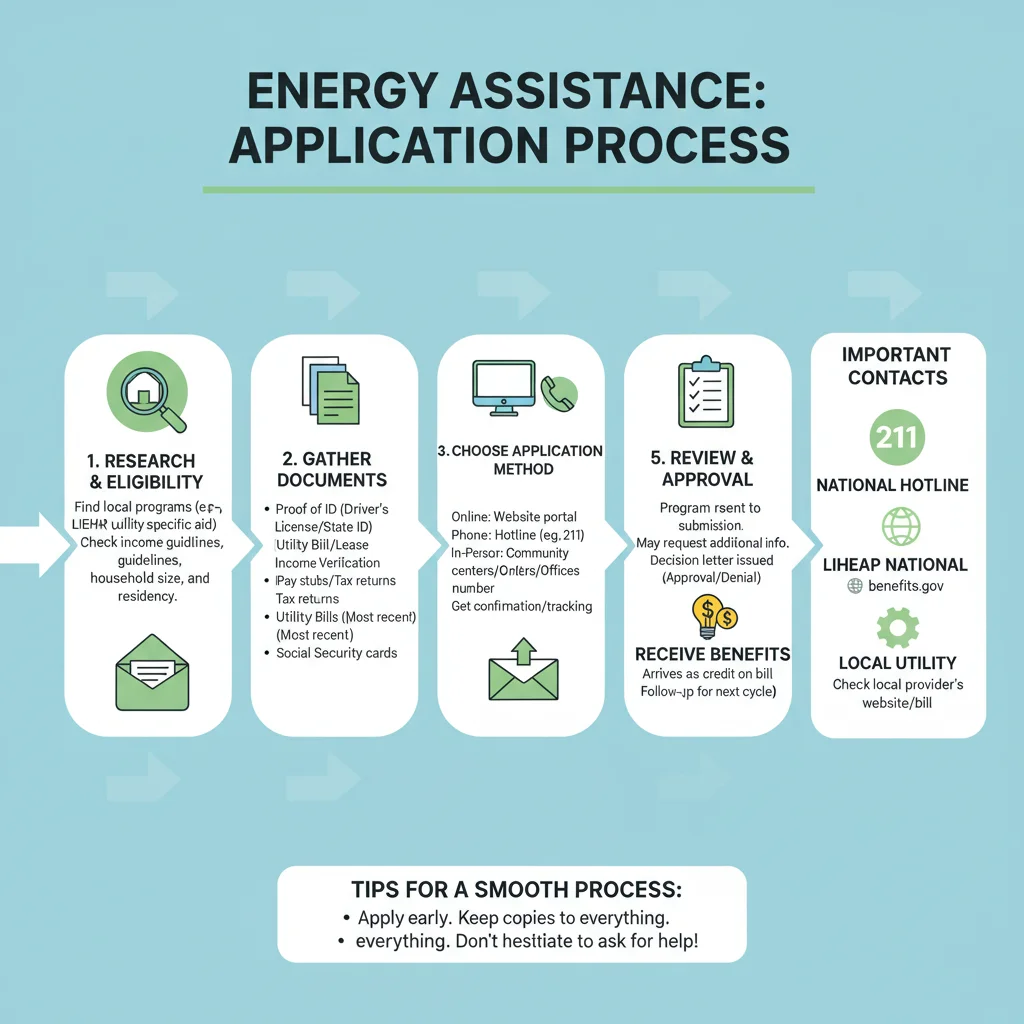
The application process for LIHEAP generally involves contacting your state or local LIHEAP office, which might be part of a social services agency, a community action agency, or a dedicated energy assistance department. While the specifics can vary, the general steps for securing Energy Assistance 2026 typically include:
- Locate Your Local Office: Start by visiting the official LIHEAP website (acf.hhs.gov/ocs/liheap) or calling the national LIHEAP hotline to find contact information for your state or tribal LIHEAP agency.
- Gather Required Documents: Before applying, collect all necessary documentation. This usually includes:
- Proof of income for all household members (pay stubs, Social Security statements, unemployment benefits, etc.).
- Proof of residency (utility bills, lease agreement).
- Social Security numbers for all household members.
- Recent utility bills (heating and electric).
- Photo identification.
- Complete the Application: Fill out the application form accurately and completely. Many states offer online applications, while others require in-person submission or mail.
- Submit Your Application: Submit the application along with all supporting documents. Pay close attention to deadlines, as many programs have specific application periods.
- Follow Up: After submission, you may need to follow up with the agency to check the status of your application or provide additional information if requested.
The application period for LIHEAP often begins in the fall, ahead of the heating season, and continues into the spring. However, crisis assistance may be available year-round. Don’t wait until you’re facing a shut-off notice; apply as soon as you believe you might be eligible for Energy Assistance 2026.
Beyond LIHEAP: Other Federal and State Energy Aid
While LIHEAP is a cornerstone, it’s not the only program offering Energy Assistance 2026. Several other initiatives, both federal and state-specific, can provide additional relief. Diversifying your search for assistance can significantly increase your chances of saving up to $1,000 annually or even more.
Weatherization Assistance Program (WAP)
The Weatherization Assistance Program (WAP), administered by the U.S. Department of Energy, helps low-income households reduce their energy bills by making their homes more energy-efficient. This program directly addresses the root cause of high energy bills by improving the thermal performance of homes. WAP services can include:
- Insulating walls, attics, and floors.
- Sealing air leaks.
- Repairing or replacing inefficient heating and cooling systems.
- Installing energy-efficient lighting.
Unlike LIHEAP, which provides direct financial aid for bills, WAP offers a long-term solution by reducing overall energy consumption. The savings from weatherization can be substantial, often leading to a permanent reduction in energy costs by 10-30%. Eligibility for WAP is similar to LIHEAP, often with a focus on households with elderly individuals, people with disabilities, or young children. Applying for WAP in conjunction with LIHEAP can provide a comprehensive approach to managing your energy expenses for Energy Assistance 2026.
State and Local Programs
Many states and local municipalities offer their own energy assistance programs, often complementing federal aid. These programs might be funded through state taxes, utility taxes, or specific grants. Examples include:
- State-funded Energy Grants: Some states have dedicated funds to help residents with energy costs, particularly during extreme weather.
- Emergency Assistance Programs: These programs provide immediate help for urgent situations, such as utility disconnections.
- Heating and Cooling System Repair/Replacement Programs: Beyond general weatherization, some states offer aid specifically for repairing or replacing essential heating and cooling equipment.
To find out about state and local options for Energy Assistance 2026, contact your state’s social services department, public utility commission, or local community action agencies. These organizations are typically well-versed in all available resources within their jurisdiction.
Utility Company Assistance Programs
Don’t overlook your utility providers as a source of Energy Assistance 2026. Many electric, gas, and oil companies offer their own programs to help customers in need. These programs are often funded through voluntary contributions from customers or shareholders, or mandated by state regulatory bodies. Common utility-sponsored programs include:
- Payment Plans and Arrearage Management Programs (AMPs): If you have fallen behind on your bills, many utilities will work with you to establish a manageable payment plan. AMPs can even forgive a portion of your debt if you consistently make on-time payments for a specified period.
- Discount Programs: Some utilities offer discounts on monthly bills for eligible low-income customers. These might be percentage-based or a fixed dollar amount.
- Energy Efficiency Audits and Upgrades: Similar to WAP, many utility companies offer free or low-cost energy audits and rebates for installing energy-efficient appliances or making home improvements. This can include programs for smart thermostats, LED lighting, and improved insulation.
- Medical Hardship Programs: For customers with medical conditions that require a consistent indoor temperature, some utilities offer special protections against shut-offs or provide additional assistance.
It’s always a good idea to directly contact your electric, gas, or heating oil provider to inquire about their specific assistance programs. Their customer service representatives can guide you through the application process and inform you about any special offers for Energy Assistance 2026.
Maximizing Your Savings: Combining Assistance and Efficiency
To truly save up to $1,000 annually or even more on your energy bills, a multi-pronged approach is most effective. Combining direct financial assistance with proactive energy efficiency measures can create significant and sustainable savings. Here’s how you can maximize your efforts for Energy Assistance 2026:
1. Apply for All Eligible Programs
Don’t limit yourself to just one program. If you qualify for LIHEAP, also check your eligibility for WAP, state-specific grants, and utility company discounts. Each program can contribute to your overall savings, either by reducing your bill directly or by making your home more efficient.
2. Embrace Energy Efficiency Practices
Beyond programs that offer direct financial aid, adopting energy-efficient habits and making simple home improvements can drastically cut down your energy consumption. Even without major renovations, small changes can yield significant savings:
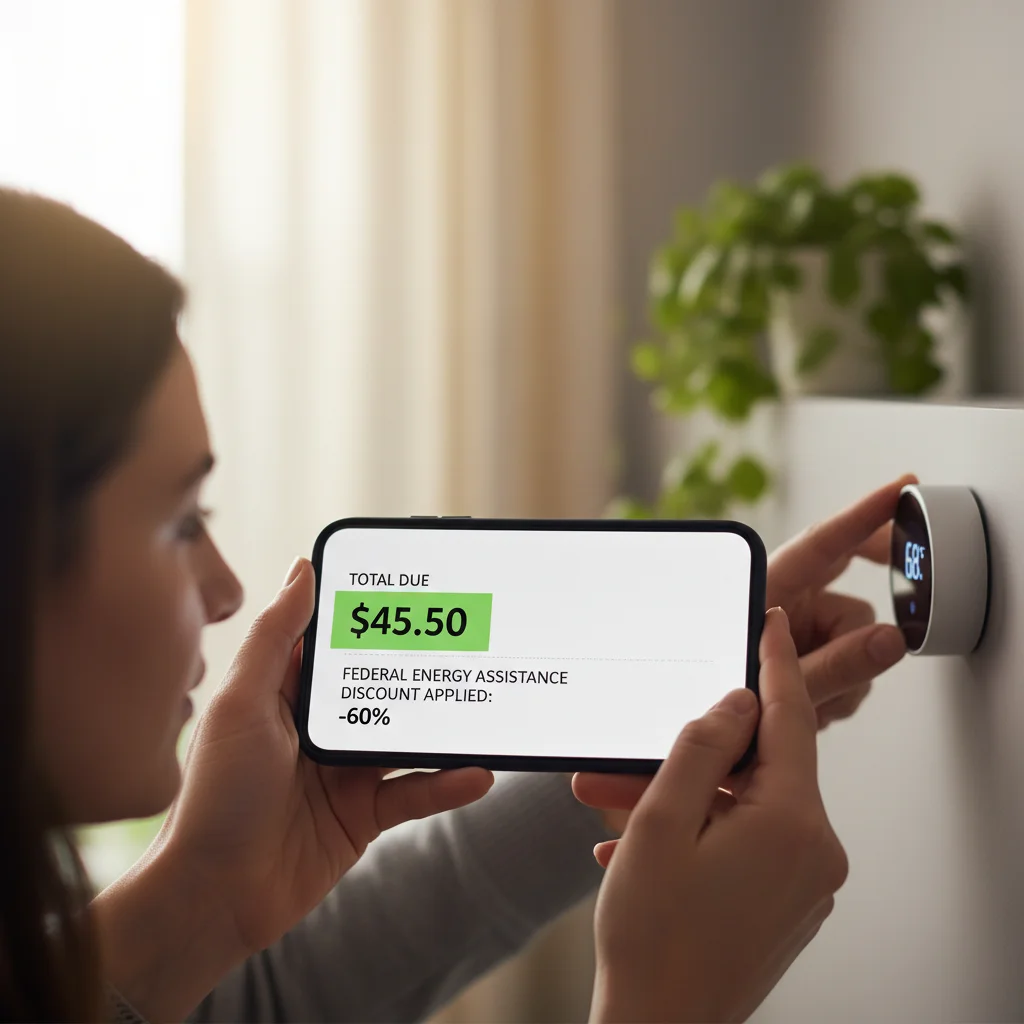
- Thermostat Management: Set your thermostat a few degrees lower in winter and a few degrees higher in summer. Consider a smart thermostat, which can learn your habits and optimize temperature settings automatically. Many utility companies offer rebates for these devices.
- Seal Air Leaks: Use caulk and weatherstripping to seal cracks and gaps around windows, doors, and utility penetrations. This is one of the most cost-effective ways to improve your home’s energy efficiency.
- Unplug Electronics: “Vampire load” or “phantom load” refers to the electricity consumed by electronics when they are plugged in but not in use. Unplug chargers, TVs, and other devices when not needed, or use power strips with on/off switches.
- LED Lighting: Replace incandescent bulbs with energy-efficient LED bulbs. They use significantly less electricity and last much longer.
- Appliance Usage: Run dishwashers and washing machines only when full, and use cold water for laundry whenever possible. Clean refrigerator coils regularly to improve efficiency.
- Window Coverings: Use curtains and blinds to insulate your home. Close them on hot, sunny days to keep heat out, and open them on cold, sunny days to let natural warmth in.
These practices, when combined with assistance programs, can turn potential savings into tangible financial relief for Energy Assistance 2026.
Preparing for the Application Process in 2026
Being prepared is key to a smooth and successful application process for any Energy Assistance 2026 program. Here are some tips to ensure you are ready:
- Stay Informed: Regularly check the official websites of federal, state, and local energy assistance programs. Sign up for newsletters or alerts if available, so you are notified as soon as application periods open and guidelines are updated for 2026.
- Organize Documents: Create a dedicated folder (physical or digital) for all your financial and personal documents. Having proof of income, residency, and identification readily available will save you time and reduce stress during the application process.
- Understand Income Thresholds: While 2026 specific income thresholds might not be released until closer to the year, familiarize yourself with current year guidelines. This will give you a good estimate of whether you are likely to qualify.
- Contact Your Utility Provider: Establish a relationship with your utility company. They can provide information on their programs, offer payment arrangements, and sometimes even connect you with other local resources.
- Seek Help If Needed: If you find the application process overwhelming, don’t hesitate to seek help. Community action agencies often provide assistance with filling out forms and navigating the system. Advocacy groups and non-profits may also offer guidance.
Proactive preparation will not only increase your chances of approval but also ensure that you receive assistance in a timely manner, especially if you are facing an energy crisis. The goal is to make accessing Energy Assistance 2026 as straightforward as possible.
The Broader Impact of Energy Assistance
The benefits of energy assistance programs extend far beyond individual household savings. These initiatives play a crucial role in promoting public health, economic stability, and environmental sustainability. By ensuring that low-income households can afford to heat and cool their homes, energy assistance programs prevent cold-related illnesses in winter and heat-related emergencies in summer, particularly among vulnerable populations such as the elderly, young children, and individuals with chronic health conditions. This proactive approach reduces the strain on emergency services and healthcare systems.
Economically, reducing the energy burden frees up household income that can then be spent on other essential goods and services, stimulating local economies. It also helps prevent utility shut-offs, which can lead to job loss, housing instability, and further financial hardship. Furthermore, the weatherization components of programs like LIHEAP and WAP contribute to broader environmental goals. By making homes more energy-efficient, they reduce overall energy consumption and greenhouse gas emissions, supporting efforts to combat climate change. This holistic impact underscores the importance of continued funding and awareness for Energy Assistance 2026 and beyond. These programs are investments in community well-being, fostering resilience and equity across the nation.
Conclusion: Secure Your Savings in 2026
Navigating the landscape of energy costs can be daunting, but with the right information and proactive steps, significant relief is within reach. Federal programs like LIHEAP and WAP, coupled with state, local, and utility-specific initiatives, provide a robust safety net designed to help low-income households manage their energy bills. By understanding the eligibility requirements, preparing your documents, and applying diligently, you can access the Energy Assistance 2026 you need to keep your home comfortable and your finances stable.
Remember, the potential savings of up to $1,000 annually are not just a distant possibility; they are a tangible reality for millions of eligible Americans. Don’t let the complexity deter you. Start by researching your local LIHEAP office, exploring utility company programs, and embracing energy-efficient practices. Every dollar saved on energy bills is a dollar that can be allocated to other vital household needs, improving your quality of life and providing peace of mind. Take control of your energy costs today and ensure your household is well-prepared for the energy challenges of 2026.