Pell Grant 2026: Eligibility Updates & Financial Impact for Students

Anúncios
Understanding the 2026 Pell Grant Changes: Eligibility Updates for Over 6 Million Students
The landscape of federal student aid is constantly evolving, and few programs are as pivotal to college affordability as the Pell Grant. As we look ahead to 2026, significant changes are on the horizon for this crucial financial assistance program. These adjustments are not merely bureaucratic tweaks; they represent a fundamental shift in how millions of students will qualify for and receive aid, impacting their educational journeys and financial futures. Understanding the Pell Grant 2026 Changes is paramount for prospective and current students, their families, and educational institutions alike.
Anúncios
The Pell Grant program, a cornerstone of federal student aid since its inception, provides need-based grants to undergraduate students to promote access to higher education. Unlike loans, Pell Grants do not need to be repaid, making them an invaluable resource for students from low-income backgrounds. The upcoming Pell Grant 2026 Changes are designed to expand eligibility, simplify the application process, and potentially increase the maximum award for a broader range of students. This comprehensive overview will delve into the specifics of these updates, their projected financial impact, and what students need to do to prepare.
What Are the Core Pell Grant 2026 Changes?
The most substantial changes to the Pell Grant program are primarily driven by the implementation of the FAFSA Simplification Act, which aims to streamline the application process for federal student aid. While many of these changes began rolling out in phases, 2026 will see the full impact of several key provisions. The overarching goal is to make federal aid more accessible and equitable, particularly for those with the greatest financial need.
Anúncios
Expanded Eligibility Criteria
One of the most anticipated aspects of the Pell Grant 2026 Changes is the expansion of eligibility. Historically, eligibility for Pell Grants has been determined by a complex formula that calculates a student’s Expected Family Contribution (EFC). The FAFSA Simplification Act replaces the EFC with the Student Aid Index (SAI).
- Shift from EFC to SAI: The Student Aid Index (SAI) is a new methodology for determining a student’s financial need. The SAI can be a negative number, down to -1500, indicating a higher level of financial need than was previously possible under the EFC system. This change alone is expected to significantly increase the number of students who qualify for Pell Grants.
- Increased Income Protection Allowances: The new SAI calculation includes more generous income protection allowances, which shield a larger portion of a family’s income and assets from being counted in the aid calculation. This means that families who previously earned just enough to be ineligible for Pell Grants may now qualify.
- Broader Access for Incarcerated Students: The FAFSA Simplification Act restores Pell Grant eligibility for incarcerated students, a significant policy reversal that will provide educational opportunities to a population often overlooked in higher education discussions. This change aims to reduce recidivism and promote rehabilitation through education.
- Eligibility for Students with Drug Convictions: The removal of the ban on federal student aid for students with drug-related convictions is another crucial update, opening doors for many who were previously barred from receiving assistance.
Simplified FAFSA Application Process
The Free Application for Federal Student Aid (FAFSA) has long been a barrier for many students due to its complexity and length. The Pell Grant 2026 Changes, driven by the FAFSA Simplification Act, aim to dramatically simplify this process.
- Shorter Form: The FAFSA form has been significantly shortened, reducing the number of questions applicants need to answer. This is intended to reduce the time and effort required to complete the application, minimizing potential errors and increasing completion rates.
- Direct Data Exchange with IRS: A major improvement is the mandatory direct data exchange with the IRS. Applicants will be required to consent to the IRS directly sharing their tax information with the Department of Education. This eliminates the need for manual entry of tax data, reducing errors and simplifying verification processes. This streamlined approach will be fully implemented and mature by 2026, ensuring a smoother experience for applicants.
- Streamlined Dependency Status Questions: The questions used to determine a student’s dependency status have been simplified, making it easier for students to understand whether they are considered dependent or independent for financial aid purposes.
- Elimination of the "Net Price Calculator" Confusion: While not directly a FAFSA change, the broader push for transparency with the Pell Grant 2026 Changes includes clearer guidance around financial aid offers, moving towards a more standardized and understandable presentation of aid packages.
Changes in Award Calculation and Maximum Grant Amounts
The method for calculating Pell Grant awards is also undergoing significant revisions, which will directly influence the maximum grant amounts students can receive. The new SAI system is central to these calculations.
- New Calculation Formula: The Pell Grant award will be determined by subtracting the SAI from the maximum Pell Grant award for the year, rather than the cost of attendance. This change ensures that students with the lowest SAIs receive the maximum possible grant.
- Minimum and Maximum Pell Grants: The FAFSA Simplification Act establishes minimum and maximum Pell Grant awards based on federal poverty levels. Students with an SAI of -1500 will automatically qualify for the maximum Pell Grant. Conversely, students whose family income is at or below 175% (or 225% for single-parent households) of the federal poverty level will qualify for a minimum Pell Grant, regardless of their calculated SAI. This guarantees a baseline level of support for the neediest students.
- Year-Round Pell Expansion: While year-round Pell has been available, the 2026 framework solidifies its accessibility, allowing eligible students to receive up to 150% of their scheduled Pell Grant award within an award year. This is particularly beneficial for students who wish to accelerate their studies or catch up on coursework.

Financial Impact: Over 6 Million Students to Benefit
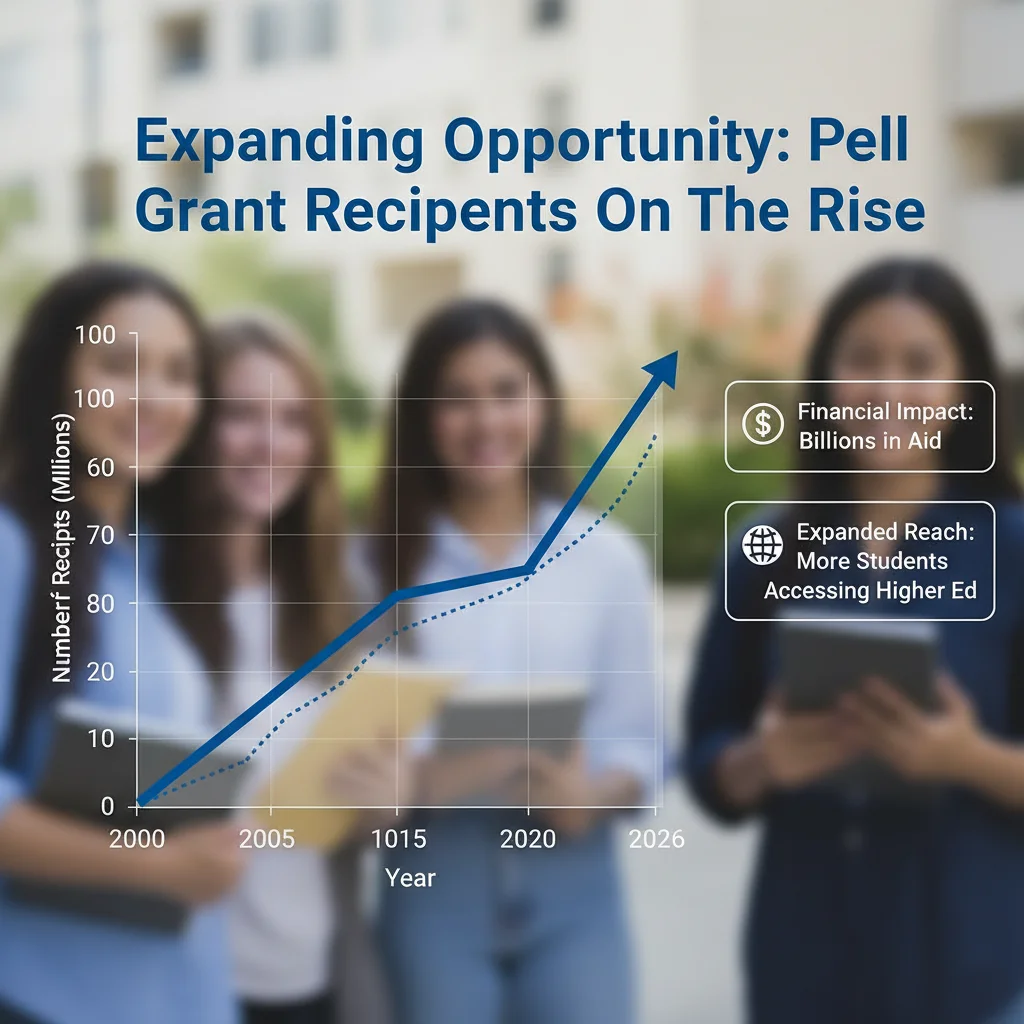
The cumulative effect of these Pell Grant 2026 Changes is projected to be substantial, with the Department of Education estimating that over 6 million students will either become newly eligible for Pell Grants or receive increased award amounts. This represents a significant expansion of financial support for higher education.
Increased Access to Higher Education
For many students, the availability of a Pell Grant is the deciding factor in whether they can attend college. By expanding eligibility and simplifying the application process, the Pell Grant 2026 Changes are expected to:
- Reduce Financial Barriers: More students from low-income backgrounds will find college more affordable, potentially leading to higher enrollment rates among underserved populations.
- Decrease Reliance on Loans: With increased grant aid, students may be able to reduce their reliance on student loans, leading to less debt upon graduation and greater financial freedom post-college.
- Improve Completion Rates: Financial stability is a key predictor of academic success. By alleviating financial stress, Pell Grants can help students focus on their studies and improve their chances of completing their degrees.
Specific Groups to Benefit Most
While the changes aim for broad impact, certain demographics are expected to experience particular benefits from the Pell Grant 2026 Changes:
- Students from Low-Income Households: The shift to SAI and increased income protection allowances will directly benefit students from the lowest-income families, ensuring they receive maximum support.
- Single-Parent Households: The higher income protection allowance for single-parent households recognizes the unique financial challenges faced by these families, making it easier for their children to qualify for aid.
- Independent Students: The simplified FAFSA and new SAI calculations may also benefit independent students, including adult learners and those who are financially self-sufficient, by offering a clearer path to aid.
- Community College Students: Often serving a high proportion of Pell-eligible students, community colleges may see an even greater influx of students able to afford their programs thanks to expanded Pell Grant access.
Preparing for the Pell Grant 2026 Changes
While 2026 might seem distant, proactive preparation is key to maximizing the benefits of the upcoming Pell Grant 2026 Changes. Students, families, and institutions should start familiarizing themselves with the new guidelines now.
For Students and Families:
- Understand the SAI: Begin to understand how the Student Aid Index (SAI) will differ from the old EFC. Resources from the Department of Education and financial aid offices will become increasingly available to help demystify this new calculation.
- Gather Tax Information Early: Even with the direct data exchange with the IRS, having your tax information readily available will ensure a smoother application process. Ensure all tax filings are up-to-date.
- Consent to IRS Data Sharing: Be prepared to consent to the IRS sharing your tax data. This is a mandatory step for federal student aid eligibility under the new system.
- Monitor Official Announcements: Stay informed by regularly checking the official websites of the U.S. Department of Education and Federal Student Aid (StudentAid.gov) for the latest updates and guidance regarding the Pell Grant 2026 Changes.
- Contact Financial Aid Offices: If you have questions, reach out to the financial aid office at your prospective or current institution. They are a valuable resource for understanding specific implications and navigating the application process.
- Consider Your Financial Situation: Review your current financial situation and how it might impact your SAI. While the system is designed to be more generous, understanding your financial standing is always beneficial.
For Educational Institutions:
- Update Systems and Training: Financial aid offices will need to update their internal systems and provide extensive training to staff on the new FAFSA, SAI calculation, and Pell Grant eligibility rules.
- Communicate with Students: Institutions play a critical role in educating students about the Pell Grant 2026 Changes. Clear, timely communication about the new application process and eligibility requirements will be essential.
- Adjust Awarding Policies: Colleges and universities may need to review and adjust their internal awarding policies to align with the new federal guidelines and ensure equitable distribution of aid.
- Advocacy and Support: Continue to advocate for policies that support student access and success, and provide robust support services to help students navigate financial aid challenges.
Potential Challenges and Considerations
While the Pell Grant 2026 Changes are largely viewed as positive, it’s important to acknowledge potential challenges and considerations that may arise during the transition and implementation phases.
Implementation Hurdles
Any large-scale systemic change, especially one involving complex federal programs, can encounter implementation hurdles. The initial rollout of some FAFSA Simplification Act provisions has already seen delays and technical glitches. Ensuring a smooth transition for the 2026 cycle will require robust technological infrastructure and clear communication from federal agencies.
Funding Levels
While eligibility is expanding, the actual impact on students also depends on the funding levels appropriated by Congress for the Pell Grant program. If funding does not keep pace with expanded eligibility and increased demand, the maximum award amounts might not grow as significantly as anticipated, or could even be constrained.
Awareness and Outreach
Despite efforts to simplify, many students and families remain unaware of key financial aid opportunities or are intimidated by the application process. Extensive outreach and public awareness campaigns will be crucial to ensure that eligible students actually apply for and receive the aid they are entitled to under the Pell Grant 2026 Changes.
Impact on Institutional Aid
Some institutions might need to reassess their own institutional aid strategies in light of the federal changes. If more students receive federal Pell Grants, it could free up some institutional funds for other purposes or allow colleges to support students who fall just outside Pell eligibility.
The Long-Term Vision of Pell Grant Changes
The Pell Grant 2026 Changes are not just about immediate financial relief; they are part of a broader, long-term vision to strengthen the foundation of higher education accessibility in the United States. By making federal aid more responsive to financial need and easier to obtain, the government aims to:
- Close Equity Gaps: Address historical inequities in access to higher education, particularly for students from marginalized communities and low-income backgrounds.
- Foster Economic Mobility: Provide a clearer pathway for individuals to achieve economic upward mobility through education and skill development.
- Strengthen the Workforce: Ensure that a diverse and skilled workforce is available to meet the demands of a changing economy.
- Promote Postsecondary Attainment: Encourage more individuals to pursue and complete postsecondary education, whether through traditional four-year degrees, associate degrees, or career and technical education programs.
These objectives underscore the profound importance of the Pell Grant program and why its evolution through the Pell Grant 2026 Changes is a critical development for the future of American higher education.
Conclusion: A New Era for Pell Grants
The Pell Grant 2026 Changes mark a significant turning point for federal student aid, promising to expand access, simplify the application process, and provide more substantial financial support to millions of students. The shift from EFC to SAI, the streamlined FAFSA, and the increased income protections are all designed to create a more equitable and efficient system. While challenges in implementation may arise, the overarching goal is clear: to ensure that financial barriers do not prevent deserving students from pursuing their higher education dreams.
For students and families, staying informed and preparing proactively will be essential to navigate these changes successfully. For educational institutions, adapting to the new guidelines and providing robust support will be key to maximizing the benefits for their student populations. As 2026 approaches, the Pell Grant program is poised to enter a new era, one that promises greater opportunity and accessibility for the next generation of college students.
The impact of these changes will resonate across the entire higher education landscape, fostering a more inclusive and supportive environment for student success. By understanding and embracing the Pell Grant 2026 Changes, we can collectively work towards a future where higher education is truly within reach for all.