Housing Assistance Programs 2025: Section 8 & Federal Subsidies

Anúncios
Navigating housing assistance programs in 2025 involves understanding various federal rental subsidies like Section 8, providing crucial support for eligible individuals and families to secure stable and affordable housing.
Anúncios
Finding affordable and stable housing remains a significant challenge for many Americans. Fortunately, numerous federal initiatives, including Section 8, are designed to alleviate this burden. This guide delves into housing assistance programs 2025, offering a comprehensive look at how these vital subsidies work and what you need to know to access them.
Understanding the Landscape of Federal Housing Assistance
Federal housing assistance programs are designed to help low-income families, the elderly, and people with disabilities afford safe and decent housing. These programs are primarily administered by the U.S. Department of Housing and Urban Development (HUD) through local public housing agencies (PHAs). They play a crucial role in preventing homelessness and promoting housing stability across the nation.
Anúncios
The scope of these programs extends beyond just rental assistance, encompassing initiatives for homeownership, housing counseling, and community development. Understanding the different types of aid available is the first step toward securing the support you or your loved ones might need.
The Role of HUD and Local PHAs
HUD sets the national policy and provides funding for various housing programs. However, the day-to-day administration and direct interaction with beneficiaries are handled by local Public Housing Agencies (PHAs). These agencies are responsible for:
- Determining applicant eligibility based on income and family size.
- Managing waiting lists for housing vouchers and public housing units.
- Issuing Housing Choice Vouchers (Section 8) to eligible families.
- Conducting regular inspections of assisted housing units to ensure they meet quality standards.
Each PHA operates within specific geographic boundaries and may have slight variations in their application procedures and local preferences. It is essential to contact your local PHA directly for the most accurate and up-to-date information regarding programs in your area.
In essence, federal housing assistance is a complex but vital network designed to ensure that even the most vulnerable populations have access to safe and affordable places to call home. These programs are continually evolving, with updates and changes often occurring annually, making it important to stay informed.
Section 8 Housing Choice Voucher Program: A Deep Dive
The Section 8 Housing Choice Voucher (HCV) program is arguably the most well-known and widely utilized federal rental assistance program. It allows very low-income families, the elderly, and the disabled to afford decent, safe, and sanitary housing in the private market. Participants are free to choose any housing that meets the program requirements.
The program works by providing eligible families with a voucher that subsidizes a portion of their rent. The family typically pays 30% of their adjusted gross income towards rent and utilities, and the housing assistance payment covers the rest, up to a certain limit.
Eligibility Criteria for Section 8
Several factors determine eligibility for the Section 8 program. These criteria are established by HUD and implemented by local PHAs:
- Income Limits: Your family’s income must not exceed 50% of the median income for the county or metropolitan area in which you choose to live. HUD publishes these income limits annually.
- Family Status: Eligibility is generally open to families, the elderly, and individuals with disabilities. The definition of ‘family’ can vary slightly by PHA.
- Citizenship/Immigration Status: Applicants must be U.S. citizens or have eligible immigration status.
- Background Checks: PHAs conduct background checks, which may include criminal history and previous rental eviction records.
It’s important to note that even if you meet these basic criteria, demand for Section 8 vouchers often far exceeds availability, leading to long waiting lists. Some PHAs may close their waiting lists for extended periods due to high demand.
Understanding these eligibility requirements is critical before applying. Gathering all necessary documentation, such as income verification, birth certificates, and social security cards, will streamline the application process once a waiting list opens.
Applying for Housing Assistance in 2025: What to Expect
The application process for federal housing assistance, including Section 8, can be detailed and requires patience. While the exact steps may vary slightly depending on your local PHA, there’s a general framework that applicants can expect to follow.
The initial step usually involves contacting your local Public Housing Agency to inquire about program availability and waiting list status. Many PHAs now offer online application portals, which can simplify the submission process.
Key Steps in the Application Process
Navigating the application can feel overwhelming, but breaking it down into manageable steps can help:
- Finding Your PHA: Locate the Public Housing Agency serving your desired area. HUD’s website provides a directory of PHAs.
- Waiting List Application: Complete the initial application when the waiting list is open. This often involves providing basic personal and income information.
- Interview and Documentation: Once your name approaches the top of the waiting list, you’ll be invited for an interview and asked to provide extensive documentation to verify your eligibility.
- Voucher Issuance: If approved, you will receive a Housing Choice Voucher. You then have a limited time (typically 60-120 days) to find suitable housing.
It is crucial to respond promptly to all requests for information from the PHA and to keep your contact information updated, especially if you are on a waiting list. Failure to do so could result in your application being removed.
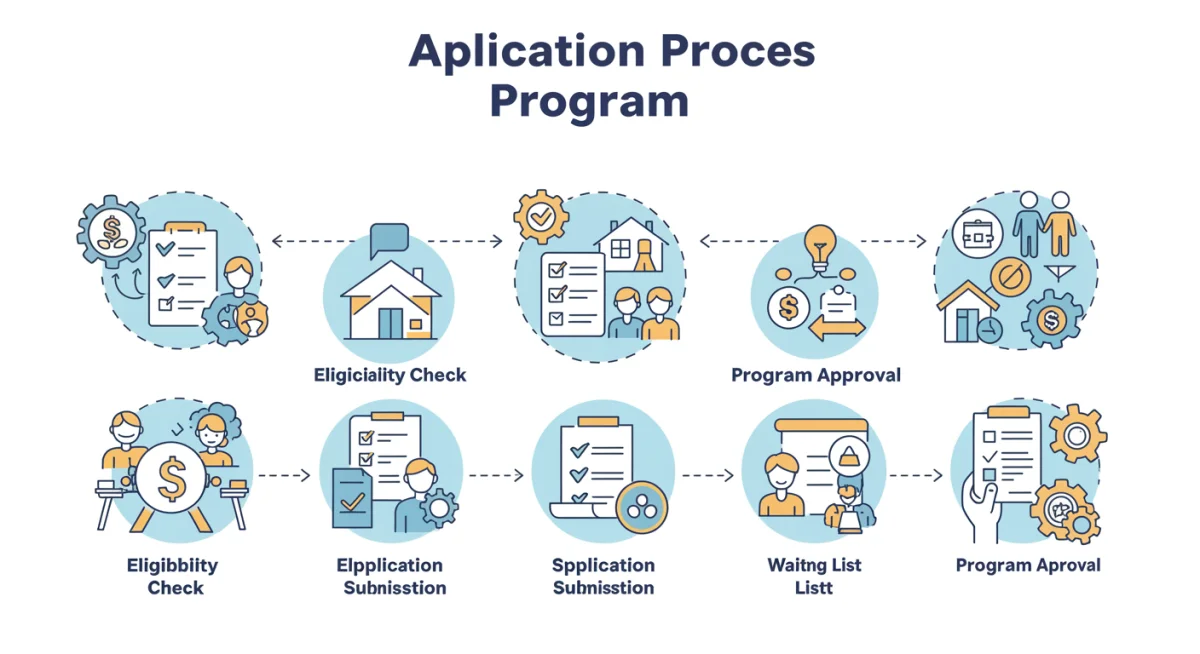
The waiting period can range from months to several years, depending on the demand in your area. During this time, it’s advisable to explore other interim housing solutions if needed. Understanding the application process helps manage expectations and prepares you for the journey ahead.
Beyond Section 8: Other Federal Rental Subsidies
While Section 8 is the most prominent, it is not the only federal program designed to help individuals and families secure affordable housing. Several other initiatives address specific needs or provide different types of assistance. These programs often complement each other or serve as alternatives when Section 8 waiting lists are closed.
Exploring these additional options can broaden your chances of receiving assistance. Each program has its own eligibility requirements and application procedures, so it’s important to research them thoroughly.
Public Housing and Project-Based Vouchers
Beyond the tenant-based Section 8 vouchers, other significant programs include:
- Public Housing: This program provides affordable rental housing for low-income families, the elderly, and persons with disabilities. PHAs own and manage these properties directly, and residents pay rent based on their income.
- Project-Based Vouchers (PBV): Unlike tenant-based vouchers, PBVs are tied to specific housing units. When a tenant moves, the subsidy remains with the unit, allowing another eligible family to benefit. These are often used for affordable housing developments.
These programs offer different approaches to providing affordable housing. Public housing offers direct rental units, while PBVs ensure affordability within designated developments. Both are crucial components of the federal housing assistance landscape.
Additionally, specialized programs exist for specific populations, such as veterans (VASH program), individuals experiencing homelessness, and those with chronic mental illness. These targeted programs often collaborate with other social services to provide comprehensive support. Always inquire with your local PHA or social service agencies about all available options.
Updates and Changes for Housing Assistance Programs in 2025
Federal housing assistance programs are dynamic, with legislative changes, funding shifts, and policy adjustments occurring regularly. Staying informed about these updates is critical for applicants and current beneficiaries alike. For 2025, several areas are likely to see continued focus and potential modifications.
One primary area of interest will be the ongoing efforts to address the national housing crisis, which may lead to increased funding for existing programs or the introduction of new pilot initiatives. Affordability and accessibility remain at the forefront of policy discussions.
Potential Policy Shifts and Funding Allocations
Several trends and potential changes could impact housing assistance in 2025:
- Increased Funding for Existing Programs: Advocacy groups and policymakers continue to push for greater investment in Section 8 and public housing to reduce waiting lists and address the severe shortage of affordable units.
- Focus on Homelessness Prevention: Expect continued emphasis on programs designed to prevent homelessness, including emergency rental assistance and rapid re-housing initiatives.
- Technology Integration: PHAs may further integrate technology into application processes and tenant management, potentially streamlining services and improving efficiency.
- Fair Housing Initiatives: Ongoing efforts to combat housing discrimination and promote equitable access to housing will likely see continued legislative and enforcement attention.
These potential changes highlight the government’s commitment to improving housing conditions for all its citizens. Keeping an eye on HUD announcements and local PHA communications will be essential for understanding the latest developments and how they might affect your eligibility or benefits.
Staying informed through official channels like HUD’s website and local PHA newsletters is the best way to keep up with any new regulations or opportunities that arise. These updates can significantly impact the availability and scope of assistance.
Maximizing Your Chances: Tips for Applicants
Applying for housing assistance can be a competitive process, given the high demand. However, by being prepared and proactive, applicants can significantly improve their chances of successfully navigating the system. A well-organized approach can make a substantial difference.
The key often lies in meticulous preparation, understanding the requirements, and maintaining consistent communication with the relevant housing authorities. Don’t underestimate the power of being thorough.
Essential Strategies for a Successful Application
To maximize your chances of approval and receiving assistance, consider these practical tips:
- Gather All Documents Early: Collect all necessary identification, income statements, birth certificates, social security cards, and any disability verification long before you apply. Having these ready prevents delays.
- Understand Eligibility: Thoroughly review the income limits and specific eligibility criteria for your local PHA. Don’t apply if you clearly don’t meet the basic requirements, as this can waste your time and the agency’s resources.
- Apply to Multiple PHAs: If possible, consider applying to PHAs in different jurisdictions if their waiting lists are open. Some areas have shorter waiting times.
- Stay in Communication: Respond promptly to all requests from the PHA. Keep your contact information updated and inform them immediately of any changes in your household income or family composition.
- Seek Assistance: If you find the process confusing, look for local housing counseling agencies, non-profits, or legal aid services that offer free assistance with housing applications.
Being diligent and persistent throughout the application process is crucial. The journey to securing housing assistance can be lengthy, but with careful planning and attention to detail, you can increase your likelihood of success. Remember, every step you take brings you closer to stable housing.
Resources and Support for Housing Assistance
Navigating the complexities of federal housing assistance programs can be challenging, but you don’t have to do it alone. There are numerous resources and support systems available to help individuals and families understand their options, complete applications, and find suitable housing. Utilizing these resources can significantly ease the burden and clarify the process.
From government websites to local non-profits, a network of support is designed to guide you through each stage, ensuring you have access to accurate information and personalized advice.
Where to Find Help and Information
Here are some key resources that can provide invaluable assistance:
- HUD’s Official Website: The U.S. Department of Housing and Urban Development (HUD) website (hud.gov) is the primary source for federal housing program information, including income limits, PHA directories, and program guidelines.
- Local Public Housing Agencies (PHAs): Your local PHA is your direct point of contact for applying to programs like Section 8 and public housing. They can provide specific details about eligibility, application status, and local preferences.
- Housing Counseling Agencies: HUD-approved housing counseling agencies offer free or low-cost advice on a range of housing issues, including rental assistance, homelessness prevention, and budgeting. You can find a list on HUD’s website.
- Non-Profit Organizations: Many local and national non-profits specialize in housing assistance, offering help with applications, emergency aid, and transitional housing. Organizations like Catholic Charities, Salvation Army, and local homeless shelters can be good starting points.
- Legal Aid Services: If you face issues with landlords, evictions, or discrimination, legal aid organizations can provide free or affordable legal assistance.
Leveraging these resources can provide you with the necessary tools and information to secure housing assistance. Don’t hesitate to reach out to these organizations; they are there to help you navigate the system and achieve housing stability.
| Key Program | Brief Description |
|---|---|
| Section 8 (HCV) | Provides rental subsidies for eligible low-income families to find housing in the private market. |
| Public Housing | Affordable rental units owned and managed directly by local Public Housing Agencies. |
| Project-Based Vouchers | Rental assistance tied to specific housing units, not the tenant, ensuring long-term affordability. |
| Emergency Rental Assistance | Short-term financial aid for rent and utilities to prevent eviction or homelessness. |
Frequently Asked Questions About Housing Assistance
The primary purpose of the Section 8 Housing Choice Voucher program is to help very low-income families, the elderly, and people with disabilities afford safe, decent, and sanitary housing in the private market. It aims to reduce housing costs, allowing families to allocate more resources to other essential needs like food and healthcare.
To apply, you should contact your local Public Housing Agency (PHA). They manage the application process, waiting lists, and eligibility determination for programs like Section 8 and public housing. Many PHAs offer online applications, but it’s crucial to check their specific requirements and waiting list status.
Yes, beyond Section 8, other federal rental subsidies include Public Housing, where PHAs own and manage affordable units directly, and Project-Based Vouchers, which attach the rental assistance to specific housing units rather than the individual tenant. Various specialized programs also exist for specific vulnerable populations.
Eligibility typically depends on your family’s income, which must be below a certain percentage of the median income for your area (usually 50% for Section 8). Other factors include family status (elderly, disabled, or families), U.S. citizenship or eligible immigration status, and passing background checks by the PHA.
Waiting lists for housing assistance programs, especially Section 8, can vary significantly depending on the demand and funding in your local area. They can range from a few months to several years, and some PHAs may close their lists when demand is exceptionally high. Patience is often required.
Conclusion
Navigating the landscape of housing assistance programs in 2025, from Section 8 to other federal rental subsidies, is a critical step for many families seeking stable and affordable housing. While the process can seem complex, understanding the various programs, eligibility criteria, and application procedures can empower individuals to access the support they need. By leveraging available resources and staying informed about updates, applicants can significantly improve their chances of securing a safe and decent place to call home, fostering greater stability and well-being for themselves and their communities.